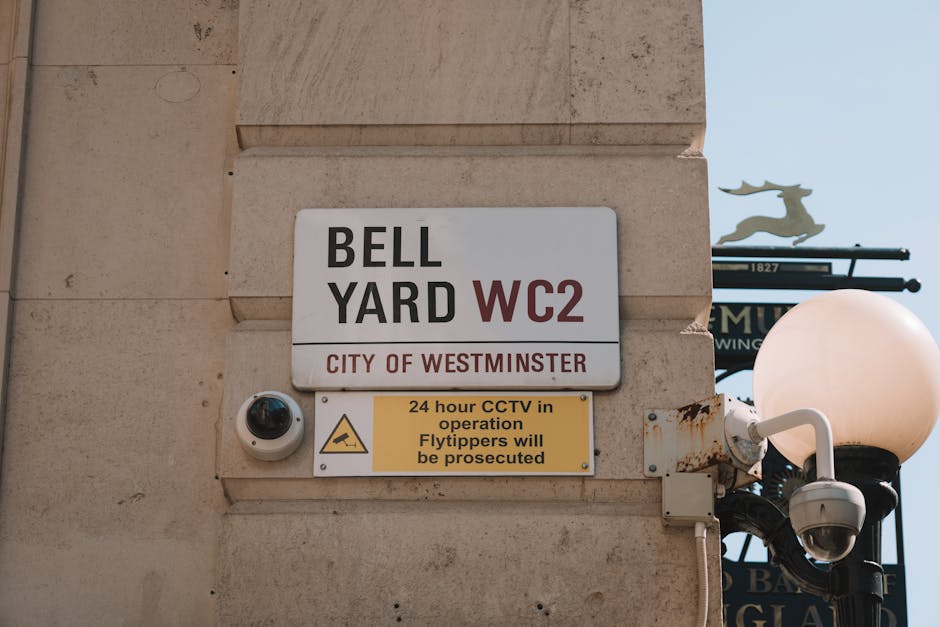
What to know about Westminster Council bulky waste rules
If you are trying to clear a sofa, a mattress, an old wardrobe, or a stack of mixed household items, Westminster Council bulky waste rules can feel a bit more complicated than they should. That is usually how it goes: you only want the stuff gone, but suddenly you are dealing with booking slots, item lists, access issues, and the small print around what counts as bulky waste. Truth be told, it is easy to get caught out if you do not know the basics.
This guide breaks the process down in plain English. You will learn what bulky waste means, how council collections usually work, what tends to be accepted, where people slip up, and when a private clearance option may be more practical. If you are comparing options, it can also help to look at services like furniture clearance, flat clearance, or broader waste removal support, depending on what you need taken away.
The aim here is simple: help you avoid delays, avoid rejected items, and make the whole job less stressful. Because nobody needs another weekend spent staring at a broken chest of drawers in the hallway. Not ideal.
Table of Contents
- Why these bulky waste rules matter
- How bulky waste collection works in Westminster
- Key benefits and practical advantages
- Who this is for and when it makes sense
- Step-by-step guidance
- Expert tips for better results
- Common mistakes to avoid
- Tools, resources and recommendations
- Law, compliance, standards and best practice
- Options and comparison table
- Real-world example
- Practical checklist
- Conclusion
- Frequently asked questions
Why What to know about Westminster Council bulky waste rules Matters
Bulky waste rules matter because they affect what you can put out, how you book a collection, how much time you need to allow, and whether your items will actually be taken away. In a busy borough like Westminster, these details are not just admin. They shape whether your clearance runs smoothly or becomes a frustrating back-and-forth.
For many households, the main challenge is space. Flats and mansion blocks often have narrow stairwells, shared entrances, limited lift access, and not much room to stage items safely. A sofa may be easy to move on paper, but in real life it may need two people, a measured route, and a clear plan. That is where understanding the rules early can save a lot of hassle.
It also matters because councils usually have specific conditions for bulky collections. Those can cover item type, weight, contamination, access, and presentation at the kerb or collection point. Miss one detail and the item may be refused. Simple as that. And if you are on a deadline, maybe moving out, maybe getting a property ready for sale, that is the last thing you want.
There is another angle too: choosing the right disposal route can support better recycling and lower unnecessary landfill. If that matters to you, have a look at the approach set out on the site's recycling and sustainability page. For many readers, that is the real win: getting the space back while knowing the waste is handled properly.
How What to know about Westminster Council bulky waste rules Works
In practical terms, bulky waste collection usually means arranging for oversized household items to be picked up separately from standard bins. Councils generally treat these items as too large for normal waste services, which is why they need a dedicated collection process.
Westminster residents should expect the council to have an organised booking system, defined item categories, and collection conditions. The exact details can change, so the safest approach is to check the current council guidance before you book. Do not assume last year's process still applies. Councils do update procedures, and sometimes the small things change first.
Most bulky waste services typically work along these lines:
- You identify the items you want removed.
- You check whether they are accepted and whether they need to be dismantled.
- You book a collection slot.
- You place the items where instructed, usually with safe access for the crew.
- The crew collects the approved items and may refuse anything unsafe, contaminated, or not booked.
That sounds straightforward, and often it is. But the details matter. For example, a dismantled wardrobe may be easier to remove than a fully assembled one. A damp mattress may not be treated the same way as a dry one. And mixed loads can create problems if you include restricted items by mistake.
If your clearance is larger than a couple of items, a more flexible service can sometimes be easier to manage. A whole-property job, for example, may sit better with a house clearance or home clearance than a standard council bulky collection. That is not about selling you something you do not need; it is just about matching the method to the mess. Which, let's face it, is half the battle.
Key Benefits and Practical Advantages
Knowing the bulky waste rules before you book has a few real-world benefits.
- Fewer refusals: You are less likely to put out something the council will not take.
- Better timing: You can plan around collection slots, access, and moving dates.
- Less lifting stress: You know whether items need to be dismantled or carried downstairs.
- Cleaner shared spaces: In flats, you can avoid leaving bulky items in hallways for too long.
- More suitable disposal: Reusable furniture can sometimes be separated from true waste.
One often overlooked advantage is decision clarity. When you know the rules, you stop second-guessing yourself. Is that old office chair acceptable? Do you need to remove drawers? Can the bed base stay assembled? These are the little questions that eat up time. Clear guidance helps.
It also helps landlords, letting agents, and small businesses that need a tidy turnaround. A fast-moving office move, for example, may be better served by an office clearance or even business waste removal if commercial items are involved. Different job, different rules. Sounds obvious, but people mix this up all the time.
Who This Is For and When It Makes Sense
This topic is relevant to anyone in Westminster who needs to get rid of large items responsibly. That includes flat owners, tenants, landlords, housing managers, office teams, and families clearing a property after a move or refurbishment.
It makes sense to use council bulky waste rules when:
- you only have a small number of acceptable items;
- you can wait for the next available slot;
- you do not need same-day removal;
- you are comfortable following collection instructions exactly;
- the items are straightforward household bulky waste.
It may make less sense when the job is larger, more urgent, or more mixed. For instance, if the load includes a broken wardrobe, garden debris, and a few bits from a garage, you may be better off looking at a specialist service such as garage clearance or garden clearance. Different waste streams need different handling, and the quickest route is not always the cheapest once you factor in time and effort.
There is a human reality here too. If you are trying to empty a spare room after a difficult life event, the official process can feel a bit cold. A calmer, managed service often makes the day easier. Not glamorous, but very practical.
Step-by-Step Guidance
Here is a simple way to approach Westminster Council bulky waste rules without overthinking it.
- List every item. Write down exactly what you want removed. Be specific: sofa, ottoman, mattress, table, chair, desk, cabinet, and so on.
- Check item suitability. Separate normal bulky household items from anything that may be restricted, hazardous, or electrical.
- Measure access. Note stairs, lifts, narrow doorways, parking constraints, and whether items need to be dismantled.
- Prepare the items. Empty drawers, remove loose contents, and make sure the items are ready for collection in the required location.
- Book carefully. Follow the council's current instructions and keep a note of your collection date or reference details.
- Keep pathways clear. On the day, make sure the route out of the property is safe and not blocked.
- Confirm what will be taken. If you have mixed materials, separate anything that does not belong in the bulky waste load.
A small but useful tip: if you are dealing with soft furnishings, check whether the item is damp, damaged, or contaminated. That can affect acceptance. And if an item is too worn to donate, just treat it as disposal rather than reuse. Saves time, saves embarrassment too.
If your items are still usable, it can be worth separating them from waste before you book. For example, good-quality pieces may suit furniture disposal or a more selective clearance approach, while a heavily mixed job may need a broader service. It is worth thinking this through before the van arrives at the curbside.
Expert Tips for Better Results
After you have done a few clearances, certain patterns become obvious. The smoother jobs usually share the same habits.
- Take photos before booking: It helps you remember exactly what is included, especially if someone else is helping arrange it.
- Break down what you can: Flat-pack style items are usually easier to move than bulky assembled furniture.
- Keep one load type together: Avoid mixing household bulky waste with construction debris unless the service clearly allows it.
- Plan around access times: Shared building rules, concierge hours, and parking controls can all affect collection.
- Think about the full job: If the bulky items are part of a wider clear-out, a loft clearance or flat clearance may be more efficient.
Another practical one: keep a little breathing room near the exit. A narrow hallway with a lamp, a shoe rack, and a plant pot is a recipe for scraped walls and grumpy people. Been there, seen that.
And if you are comparing providers, do not focus only on price. Check how the service handles access, sorting, recycling, and safety. A transparent provider will usually explain this clearly and should have visible standards around health and safety, insurance and safety, and payment and security. That kind of reassurance matters when strangers are moving heavy furniture through a home.
Common Mistakes to Avoid
Most problems come from assumptions. People assume the council will take anything large. They assume one booking covers all items. They assume collections can happen with no prep. Usually, that is where the delay starts.
- Putting out unbooked items: Only the items on the booking are usually eligible.
- Mixing in restricted waste: Builders' debris, chemicals, or electrical waste can change the whole collection.
- Leaving items inaccessible: If the crew cannot reach them safely, the collection may fail.
- Ignoring building rules: Shared entrances and timed access windows can create issues in managed blocks.
- Forgetting to dismantle large items: Some bulky items need to be reduced to manageable pieces.
- Not checking the current process: Council rules can shift, so relying on old info is risky.
There is also the classic mistake of underestimating volume. A room can look empty-ish until you start moving things. Then, suddenly, there are three chairs, a filing cabinet, and a mystery pile in the corner. Funny how that happens.
If your waste includes renovation offcuts or rubble, do not assume bulky waste is the right route. Something like builders waste clearance is usually more suitable for that kind of load.
Tools, Resources and Recommendations
You do not need fancy tools to deal with bulky waste well, but a few basics make the job easier.
- Measuring tape: Useful for checking whether items can fit through doors and stairwells.
- Marker pen and labels: Handy for marking what is going and what is staying.
- Screwdriver or hex key: Helpful for dismantling bed frames, tables, and shelving.
- Gloves and sturdy footwear: Basic protection goes a long way.
- Phone camera: Good for recording item condition and access points.
From a planning point of view, the most useful resources are the current Westminster Council guidance, your building's access rules, and any provider information about what they can and cannot collect. If you need a broader quote or want to compare how a larger clearance would be handled, the pricing and quotes page is a useful place to start.
For mixed or hard-to-handle loads, you may also want to review the site's about us page to understand the company approach and service style. Not every clearance company works the same way, and that difference matters more than many people realise.
Law, Compliance, Standards, or Best Practice
With bulky waste, the safest approach is to think in terms of compliance and best practice rather than assumptions. Councils and contractors both have duties around safe handling, lawful disposal, and responsible transfer of waste. You do not need to memorise the fine print, but you do need to avoid casual disposal.
In plain English, that means:
- do not leave waste where it could obstruct shared spaces or pavements;
- do not include hazardous items unless the service explicitly allows them;
- make sure items are described honestly;
- use a provider that can explain how waste is handled after collection;
- keep records or confirmations where appropriate, especially for larger jobs.
For private clearance, good operators should have clear policies around conduct, safety, and complaints. Those pages are not just formalities. They signal that the business takes the job seriously, especially where access is tight or the property is occupied. If you want to understand that side more deeply, it can be helpful to review the site's complaints procedure and terms and conditions.
Best practice also means thinking about reuse before disposal where possible. Not every item belongs in the skip-equivalent mindset. Sometimes a piece of furniture can be separated, assessed, and handled in a more suitable way. That is better for the environment and, frankly, often easier on the wallet.
Options and Comparison Table
There is no one-size-fits-all answer. The right route depends on volume, urgency, access, and the type of items you have.
| Option | Best for | Strengths | Limitations |
|---|---|---|---|
| Council bulky waste collection | A few acceptable household items | Simple for small jobs, council-run process, suitable for planned clear-outs | May have booking delays, item restrictions, and access rules |
| Private bulky waste removal | Urgent or larger loads | More flexible timing, often quicker, can suit awkward access | Usually depends on job size and complexity |
| Furniture-specific clearance | Sofas, wardrobes, tables, beds | Good when most of the load is furniture, easier to plan around item type | Less useful if the load is very mixed |
| Whole-property clearance | Moves, probate, tenant changes, major declutters | Covers lots of different items in one visit, less coordination for the customer | More than needed for tiny one-off collections |
If you are unsure which route fits best, start with the item list. That usually makes the answer obvious. A sofa and a mattress? Bulky collection may be fine. A full loft, half a garage, and some old office kit? You are probably into clearance territory now.
Case Study or Real-World Example
Imagine a resident in a Westminster flat who wants rid of a two-seat sofa, a coffee table, and a dismantled chest of drawers. Sounds simple enough. But the building has a narrow entrance, a lift that is booked by time slot, and no easy parking outside. The resident also has a deadline because a new tenant is moving in at the end of the week.
In a situation like that, the first step is to check whether all items are acceptable under the council bulky waste rules and whether the collection can be timed to suit the building access. The second step is to decide whether the items should be dismantled further. The third is to make sure the route is clear on the day. That is the sort of job where good planning saves the day.
Now imagine a slightly bigger version: the same flat, but with extra bags of mixed rubbish, a broken bed frame, and some office shelving from a home workspace. The council route may still work, but the load is becoming mixed and awkward. In that case, a service shaped around home clearance or office clearance may be more efficient. Less back-and-forth, less stress. And less chance of one item ruining the whole plan.
Practical Checklist
Use this before you book or arrange collection.
- Have I listed every bulky item I want removed?
- Have I checked whether the items are accepted under current council rules?
- Do any items need dismantling before collection?
- Have I measured the access route, doors, stairs, and lift space?
- Are there building rules, parking restrictions, or time windows to consider?
- Have I separated anything hazardous, electrical, or otherwise restricted?
- Have I made sure items are ready at the correct collection point?
- Do I need a broader service for a mixed or larger clearance?
- Have I checked pricing, payment, and terms if I am using a private provider?
- Am I aiming for reuse or recycling where possible?
That list sounds basic, but basic is often what works. The smoothest removals are rarely the most dramatic ones. They are just well prepared.
Get a free quote today and see how much you can save.
Conclusion
What to know about Westminster Council bulky waste rules comes down to a few simple ideas: check the current guidance, know what counts as bulky waste, prepare items properly, and choose the right removal route for the size of the job. If you do that, you avoid most of the common headaches before they start.
For a small, straightforward load, the council process may be perfectly suitable. For anything larger, more urgent, or more mixed, a tailored clearance service may simply be the calmer choice. Either way, the goal is the same: get your space back without creating extra stress.
And honestly, once the last heavy item is gone and the room feels lighter, you will wonder why you waited so long. There is a certain relief in it. Quiet, but real.
Frequently Asked Questions
What counts as bulky waste in Westminster?
Bulky waste usually means large household items that do not fit in normal bins, such as sofas, mattresses, tables, chairs, wardrobes, and similar objects. The exact acceptance rules can vary, so always check the current council guidance before booking.
Can I leave bulky waste outside my property for collection?
Only if the council or service tells you to do so and explains where to place it. In shared buildings or on busy streets, putting items out early can cause obstruction or complaints, so follow the instructions exactly.
Are electrical items accepted with bulky waste?
Sometimes, but not always in the same way as furniture. Electrical items may need a different disposal route depending on the service rules. It is best to check each item rather than assume it will be taken.
What if my item is too large to move through the door?
That usually means it needs dismantling before collection, or you may need a provider that can handle awkward access and on-site removal. Measure first if you can; it saves a lot of guesswork.
Do I need to book in advance for bulky waste collection?
Yes, in most cases. Bulky waste collections are usually booked ahead rather than collected on demand. If timing matters, do not leave it until the last minute.
Will the council take a mix of furniture and general rubbish together?
Not necessarily. Mixed loads can be restricted or refused depending on the item types. If you have a mixed clearance, a broader service may be more suitable than a standard bulky collection.
Is it cheaper to use the council or a private clearance service?
That depends on how much you need removed, how quickly you need it done, and how much effort is involved. The council can be cost-effective for small, simple jobs, while private services may be better value when time and convenience matter more.
What should I do with items that could be reused?
Separate them before you book if possible. Reusable items may be better handled through a more selective clearance approach rather than treated as general waste. It is a small step that can make a decent difference.
Can landlords or letting agents arrange bulky waste removal?
Yes, they often do, especially between tenancies. The important thing is to document what is being removed and make sure access arrangements are clear if the property is occupied or in a managed block.
What is the biggest mistake people make with bulky waste rules?
The biggest mistake is assuming the collection will accept anything large without checking the details. A single unaccepted item can cause delays or a failed collection. Always confirm the load in advance.
When should I choose a full clearance instead of bulky waste collection?
If the job includes multiple rooms, mixed waste, or urgent timing, a full clearance is often the better choice. It is usually simpler when you are dealing with more than just a couple of items.
How do I know if a clearance company is trustworthy?
Look for clear pricing, safety information, terms, and practical guidance on what they collect. The service should explain the process plainly and make you feel comfortable, not rushed. That gut feeling matters more than people admit.